
In the pursuit of health, we often look for the “lightning bolt” moment—the radical diet shift, the expensive gym membership, or the grueling marathon. However, true longevity is rarely the result of a single, monumental effort. Instead, it is the cumulative result of thousands of micro-decisions made in the quiet spaces of our daily routines. Balancing long-term wellness requires a shift in perspective: seeing every choice not as an isolated event, but as a vote for the person you wish to become.
When we talk about wellness, we are talking about a state of harmony between the physical, mental, and environmental factors of our lives. This harmony is delicate and easily disrupted by the friction of modern existence—stress, convenience culture, and sedentary habits. To master the long game, we must learn to navigate these daily frictions with intentionality, ensuring that our immediate desires do not sabotage our future vitality. This article explores the strategic decisions you can make today to secure a healthier, more resilient tomorrow.
Strategic Social Dining: Pleasure Without Compromise

One of the most significant challenges to maintaining a wellness-focused lifestyle is navigating social environments, particularly when dining out. For many, a night out feels like a “cheat day” waiting to happen, but it doesn’t have to be. Longevity is about integration, not isolation. You can enjoy the culinary arts while still respecting your body’s nutritional needs.
The primary hurdle at a traditional restaurant is often the hidden ingredients. Chefs are trained to prioritize flavor, which frequently means high levels of sodium, butter, and refined sugars. To balance this, adopt a “proactive” rather than “reactive” mindset. Instead of deciding what to eat when you are already hungry and smelling the kitchen, review the menu online hours before. Look for keywords that indicate healthy preparation methods:
- Grilled or Roasted: These cooking techniques allow the natural flavors of the protein or vegetable to shine through without the need for heavy breading or deep-fat frying. Grilling, in particular, allows excess fats to drip away from the food, resulting in a meal that is lower in calories but high in smoky, charred satisfaction.
- Aromatic Broths: Choosing soups, stews, or poached dishes based on clear, herb-infused broths rather than heavy cream or roux-based sauces can save hundreds of empty calories. These liquids are often rich in minerals and provide a sense of fullness that prevents overeating during the main course.
- Vegetable-Forward: Seek out dishes where the vegetable is the star of the show rather than a decorative afterthought. A plate built around roasted root vegetables, leafy greens, or cruciferous plants ensures you are getting a high volume of fiber and phytonutrients, which slow down the absorption of sugars and keep your energy levels stable.
- Requesting Sauce on the Side: Taking control of the dressing or sauce application allows you to enjoy the intended flavor profile of the dish while significantly reducing the intake of hidden sugars and oils that are often emulsified into high-calorie condiments.
Furthermore, certain cuisines are naturally more aligned with longevity. Traditional japanese food is a gold mine for wellness seekers. It emphasizes seasonal ingredients, fermented foods like miso (which supports gut health), and a balance of macronutrients. Opting for a meal centered around high-quality protein and fiber—such as a bento box with grilled fish and seaweed salad—provides a nutrient-dense experience that leaves you feeling energized rather than weighed down by a “food coma.”
Fueling the Fast-Paced Life
We live in a world that moves at a breakneck speed, and sometimes, sitting down for a balanced meal isn’t an option. The “grab-and-go” culture is often synonymous with processed junk, but a shift in the urban landscape is changing that. You can find high-quality fuel in the most unexpected places if you know what to look for.
The rise of artisanal and health-conscious food trucks has made it possible to find “slow food” quality at “fast food” speeds. Many modern vendors now specialize in specific dietary niches, such as paleo, vegan, or high-protein bowls. When you are forced to eat on the move, look for vendors that offer transparency in their sourcing. The goal is to find “whole” foods—ingredients that look like they did when they came out of the ground or the water.
If you find yourself at a waterfront or a market, look for options featuring fresh seafood. Unlike processed meats, which are linked to various health issues, seafood provides essential Omega-3 fatty acids. these fats are critical for reducing systemic inflammation and supporting cognitive function. A simple grilled fish taco or a ceviche bowl can provide the high-quality protein needed to sustain muscle mass and metabolic health without the inflammatory baggage of a greasy burger.
- Protein First: Always ensure your quick meal has a solid protein base, such as grilled chicken, tofu, beans, or greek yogurt to stabilize blood sugar. Protein has the highest thermic effect of food and triggers satiety hormones, which prevents the mid-afternoon energy crash that often follows a carb-heavy convenience meal.
- The “Half-Plate” Rule: Even when eating from a cardboard container or a paper bowl, mentally divide the space to ensure at least half of the volume consists of non-starchy vegetables. This simple visual guide guarantees a high intake of antioxidants and fiber, which are essential for digestive health and long-term disease prevention.
- Hydration Check: Fast-paced eating environments often lead to forgetting water in favor of sugary sodas or caffeinated drinks. Make it a rule to drink a full glass of water before and after your meal; this aids in the breakdown of nutrients and helps your brain accurately register fullness signals.
The Sanctuary of Sleep and Recovery

While diet and exercise get most of the glory, sleep is the true engine of wellness. It is the only time the body undergoes systemic repair, from muscle tissue regeneration to the “washing” of metabolic waste from the brain. If your sleep environment is compromised, your body remains in a state of low-grade stress, regardless of how well you eat.
Environmental stressors in the bedroom are often overlooked. For those with sensitivities, airborne allergens can cause nighttime inflammation that disrupts the sleep cycle. Using hypoallergenic pillow cases is a simple, effective micro-decision that protects your respiratory system and skin. By reducing the presence of dust mites and allergens, you lower the physiological “noise” your body has to deal with while it’s trying to enter deep, restorative sleep stages.
However, sometimes the issue isn’t environmental; it’s physiological. If you find yourself consistently exhausted despite spending eight hours in bed, it is vital to seek professional diagnostic help. Consulting with sleep doctors can help identify underlying issues like obstructive sleep apnea or restless leg syndrome. These conditions are not just “annoyances”; they are significant risks for cardiovascular disease and cognitive decline. Addressing them early is a cornerstone of long-term wellness planning.
- Establish a Digital Sunset: Turning off screens at least one hour before bed reduces blue light exposure, which signals to your brain that it is time to produce melatonin, the hormone responsible for regulating your circadian rhythm and deep sleep quality.
- Maintain a Consistent Schedule: Going to bed and waking up at the same time every day—even on weekends—anchors your internal clock, making it easier to fall asleep naturally and ensuring your hormonal repair cycles are fully completed.
- Optimizing Bedroom Temperature: Keeping your sleeping environment cool, ideally between 60 and 67 degrees Fahrenheit, facilitates the natural drop in core body temperature required for the body to transition into the deepest stages of physical recovery.
Building a Resilient Physical Framework
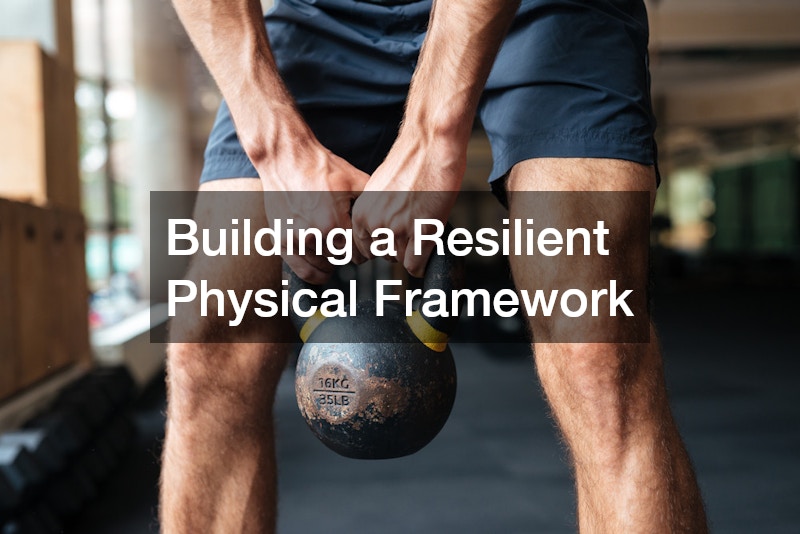
The human body is a masterpiece of engineering, but it requires regular maintenance to stay functional. As we age, the “use it or lose it” principle becomes increasingly dominant. Structural integrity is the difference between an active, independent old age and one defined by chronic pain and limited mobility.
Movement is medicine, but the quality of that movement matters. Many people jump into high-intensity workouts without considering their structural alignment. This is where a chiropractor can be an invaluable asset to your wellness team. Regular adjustments ensure that your spine and joints are moving correctly, preventing the compensatory patterns that lead to chronic injury. When your nervous system can communicate clearly with your muscles without spinal interference, your workouts become more effective and less taxing on your joints.
Furthermore, the foundation of your movement starts at the ground level. Your feet contain a complex network of bones and tendons that support your entire weight. Wearing improper athletic footwear can lead to a domino effect of pain, starting at the arches and moving up to the knees, hips, and lower back.
- Get a Gait Analysis: Visit a specialist store where experts can watch you walk or run on a treadmill to determine if you overpronate or supinate. This data allows you to choose shoes that provide the specific structural support your unique foot strike requires, preventing micro-trauma to your joints over time.
- Replace Regularly: Most shoes lose their internal cushioning and structural integrity after approximately 300 to 500 miles of use, even if the exterior still looks pristine. Tracking your mileage ensures that you aren’t forcing your body to absorb the shock that your worn-out soles should be handling.
- Match the Activity: Don’t use standard running shoes for lateral-heavy sports like tennis, basketball, or heavy weightlifting. Cross-trainers and sport-specific shoes are engineered with different heel drops and side-wall reinforcements to protect your ankles and knees from the specific stresses of different movement patterns.
- Prioritize Proper Sock Selection: Quality moisture-wicking socks prevent friction and blisters while adding a final layer of compression or cushioning that complements your shoe’s design, ensuring your feet stay dry and structurally supported during long periods of exertion.
Professional Collaboration for Performance
You don’t need to be a professional athlete to treat your body with the same respect that pros do. In fact, for the average person juggling a desk job and family life, professional guidance is perhaps even more critical to prevent the “weekend warrior” syndrome where inactivity is followed by sudden, injurious bursts of exercise.
Engaging with athletic trainers can help you move beyond generic workout videos and into a program designed for your specific biomechanics. These professionals can identify weak links—like dormant glutes or tight hip flexors—and provide corrective exercises that make your daily movements safer and more efficient. This proactive approach turns exercise from a chore into a tool for longevity.
Finally, consider the environment in which you train. Recovery is just as important as the effort itself. Utilizing professional pool services can offer a unique form of “active recovery.” Water-based exercise provides 360-degree resistance, which strengthens muscles and improves cardiovascular health, but with zero impact on the joints. Whether it’s swimming laps or performing underwater mobility drills, the hydrostatic pressure of water can also help reduce swelling and improve circulation, making it an ideal choice for those recovering from injury or looking to add variety to their routine.
- Implement a Dynamic Warm-Up: Before any strenuous activity, spend around ten minutes on movements like leg swings, arm circles, and torso twists to increase blood flow and joint lubrication as a way to significantly lowers the risk of acute muscle tears.
- Utilize Progressive Overload: Ensure your fitness plan gradually increases in intensity, volume, or duration to prevent plateauing, allowing your connective tissues and bones to adapt safely to the rising physical demands without overtraining and slowing down your progress.
- Schedule Deload Weeks: Every four to six weeks, intentionally reduce your training intensity by 30-50% to allow the central nervous system to recover fully, preventing hormonal burnout and ensuring you return to your peak performance levels with renewed vigor.
The Architecture of Longevity

Balancing daily decisions for long-term wellness is not an act of perfection; it is an act of consistency. It is the realization that your health is not a destination you reach, but a state of being you maintain through intentional choices. By optimizing your social dining, prioritizing high-quality fuel, refining your sleep environment, and seeking professional guidance for your physical frame, you create a robust ecosystem for your life.
The beauty of this approach is that it removes the pressure of the “all or nothing” mentality. If you miss a workout or have a heavy meal, the thousands of other micro-decisions you’ve made—the right shoes, the clean sleep environment, the regular structural maintenance—act as a safety net. You are building a body and a mind that are resilient enough to handle the stresses of life. Start today by making one small, better choice. Over time, those choices will weave together into a vibrant, healthy future that allows you to live life to its fullest potential.