
Building a healthier life rarely comes down to one workout, appointment, or personal goal. Physical activity can strengthen muscles, improve endurance, support emotional well-being, and make everyday tasks feel easier. Healthcare can add another layer by identifying concerns, offering guidance, and helping people make informed decisions about their bodies. When these elements work together, healthy routines become more practical, flexible, and responsive to changing needs.
The right combination will look different for everyone. A busy parent might prefer short exercise sessions and routine checkups, while a retiree may focus on mobility and enjoyable group activities. Someone recovering from an injury may need professional guidance before increasing exercise intensity. Understanding how recreation, preventive care, and specialized services fit into a broader wellness plan can help people pursue progress without expecting any single solution to do everything.
Building a Fitness Routine Around Individual Needs
Movement is most effective as a long-term habit when it reflects a person’s abilities, interests, schedule, and health history. A routine built around someone else’s goals may feel demanding or unsustainable. Starting with realistic activities, such as walking after dinner, taking short cycling trips, or practicing basic strength exercises, creates room to build confidence and consistency.
Working with a personal trainer can help people develop a structured approach to exercise. A trainer may assess current fitness, teach exercise technique, and adjust routines as strength or endurance improves. For beginners, instruction can make unfamiliar equipment less intimidating. For experienced exercisers, a fresh program may introduce variety or address neglected muscle groups. Trainers can also suggest ways to balance harder sessions with appropriate recovery.
Consistency matters more than pursuing maximum intensity every day. A useful weekly plan might combine moderate aerobic activity, strength training, flexibility work, and rest. People with chronic conditions, recent injuries, or unusual symptoms should discuss relevant exercise limits with an appropriate healthcare professional. Tracking practical measures, such as energy levels, walking distance, and the ease of climbing stairs, can reveal progress that a bathroom scale cannot capture.
The aim is to create a routine that supports life outside the gym. Exercise should leave room for family, work, social activities, and the occasional change of plans, rather than becoming another source of pressure.
Making Recreation Part of an Active Lifestyle
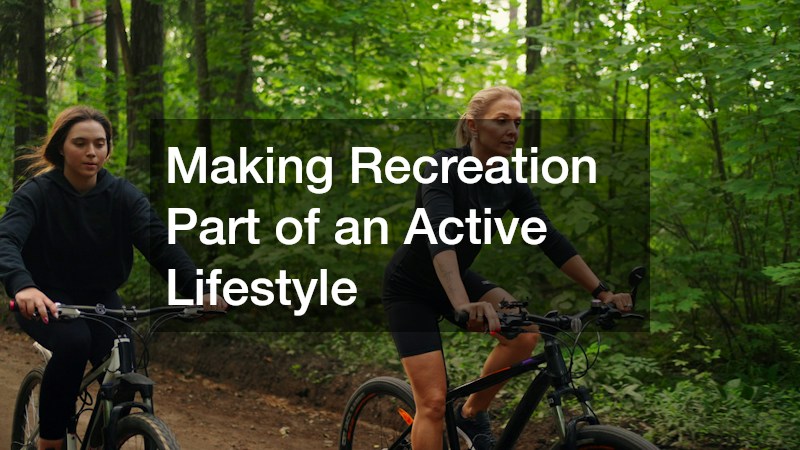
Enjoyment can be a powerful reason to keep moving. Recreational activities provide an alternative to repeating the same gym workout and may offer opportunities for friendship, fresh air, and stress relief. Choosing activities that feel rewarding makes it easier to return to them even when motivation changes.
For people who like spending time outdoors, golf club memberships may offer access to courses, practice facilities, and organized events. Golf can involve significant walking, particularly when players choose to walk appropriate portions of a course. However, the amount of physical activity depends on course layout, transportation, and individual participation. Warmups and attention to swing mechanics may also help reduce unnecessary strain.
Tennis academies can introduce players to racket skills, footwork, and strategies through lessons or group programs. Tennis challenges coordination and cardiovascular endurance, but participants can adjust pace and intensity based on experience. People returning to the sport after a long break should increase activity gradually and allow time for recovery.
Dance lessons provide another engaging option. Styles ranging from ballroom to contemporary dance can encourage balance, coordination, and regular movement. Learning steps with others also adds a social dimension that may make exercise feel less like a chore.
No recreation is automatically right for every person. Equipment costs, accessibility, comfort, and physical limitations deserve consideration. The most useful activity is one that someone enjoys, can participate in safely, and has a realistic chance of continuing.
Using Preventive Care to Support Exercise Goals
Physical activity and preventive healthcare serve different but complementary purposes. Exercise supports functional capacity, while professional assessments can help identify risks, monitor ongoing concerns, and clarify when a change in routine is appropriate. Neither replaces the other, and even highly active people can benefit from age-appropriate screenings and routine medical appointments.
Access to health care services can provide a clearer picture of factors that influence daily performance. Depending on personal circumstances, clinicians may discuss blood pressure, sleep, medication effects, nutrition, vaccination needs, or symptoms that arise during activity. These conversations are particularly useful when someone plans a major increase in exercise or has been inactive for an extended period.
An annual appointment is also an opportunity to bring specific questions. Instead of asking whether exercise is generally beneficial, a patient might ask which activities are appropriate for an existing joint condition or how to exercise while managing a prescribed medication. Clear details about goals and symptoms help clinicians provide more relevant advice.
Preventive care should not become an endless search for tests. Screening decisions depend on age, family history, symptoms, and established recommendations.
By communicating openly with healthcare providers and making achievable changes between appointments, people can connect medical advice with the routines they practice each day.

Protecting Mobility While Managing Discomfort
Exercise can improve strength and movement, but discomfort sometimes changes how people participate. Occasional soreness after unfamiliar activity differs from persistent pain, worsening symptoms, or an injury that affects normal function. Understanding that distinction can prevent the common mistake of pushing through a problem simply to maintain a schedule.
A medical evaluation may be appropriate when pain persists, follows trauma, or interferes with everyday tasks. Depending on the cause, a clinician might recommend modified activity, physical therapy, medication, or further investigation. Severe symptoms, including sudden weakness or loss of bladder control, require urgent assessment rather than a routine wellness appointment.
Some people consider chiropractic care services for certain types of back or neck discomfort. Manual treatments may offer relief for some musculoskeletal complaints, but results vary, and the potential benefits and risks depend on the technique and individual. Chiropractic treatment should not be viewed as a substitute for evaluating unexplained symptoms or as a treatment for unrelated medical conditions.
A practical recovery plan also addresses movement habits. Breaks from prolonged sitting, suitable footwear, gradual training increases, and proper lifting technique may all contribute to comfort. Professional guidance can help identify which adjustments are appropriate rather than relying on generic rules.
Protecting mobility means paying attention to what the body communicates. Temporary changes to a workout plan are not a failure; they can be part of staying active over the long term.
Considering Complementary Approaches Carefully
Wellness conversations often extend beyond exercise routines and conventional appointments. People may explore meditation, massage, nutrition counseling, or other approaches because they want support with stress, sleep, or discomfort. Interest in broader wellness options is understandable, but the quality of evidence varies significantly between treatments and claims.
An alternative medicine practitioner may offer services that are described as complementary or holistic. Before scheduling an appointment, it helps to ask about training, licensing where applicable, costs, and the scientific support for specific recommendations. The phrase natural does not automatically mean safe, and a treatment that seems harmless can still interact with medication or delay appropriate medical care.
Open communication is especially important when using supplements, herbal products, or hands-on therapies. Sharing information with a primary healthcare professional helps prevent conflicting advice. People should also be cautious of anyone promising to cure multiple unrelated diseases, encouraging them to stop prescribed treatment, or recommending expensive tests without a clear rationale.
Some low-risk practices can have a useful place in daily life even without dramatic claims. Breathing exercises, gentle stretching, and time set aside for relaxation may help people manage stress and maintain consistent routines. Their value does not require portraying them as replacements for evidence-based treatment.
A balanced wellness plan leaves room for personal preferences while applying the same standards of safety, transparency, and realistic expectations to every service.

Recognizing Circulation and Vein Health Concerns
Leg comfort and circulation can influence the activities people choose. Long periods of sitting or standing may contribute to feelings of heaviness, while some individuals notice visible or uncomfortable veins. Varicose veins occur when superficial veins become enlarged and twisted, often because their valves do not function properly. They are common, but symptoms and treatment needs differ.
Regular walking and calf movement can support the normal return of blood from the legs. Taking movement breaks and elevating the legs when appropriate may also ease certain symptoms. These strategies do not eliminate every varicose vein, however, and they should not be presented as cures for underlying vein problems.
People researching varicose veins solutions may encounter compression stockings, minimally invasive procedures, and other treatments. A qualified clinician can assess symptoms, examine the legs, and determine whether testing or intervention is warranted. Treatment choices depend on vein anatomy, severity, medical history, and personal priorities. Compression is not suitable for everyone, particularly without assessment when circulation problems are suspected.
Sudden one-sided leg swelling, pain, redness, or warmth deserves prompt medical attention because it can indicate a blood clot. Chest pain or shortness of breath can signal an emergency. These signs require medical evaluation, not exercise experimentation or cosmetic vein treatments.
For everyday prevention and comfort, the broader lesson is to avoid overlooking symptoms that interfere with movement. Addressing concerns early can make it easier to choose suitable activities and remain engaged in daily life.
Separating Appearance Goals From Medical Needs
Health and personal appearance sometimes overlap, but they are not interchangeable. People may pursue cosmetic services because a visible change affects their confidence, even when it does not pose a medical problem. Recognizing this distinction helps keep decisions grounded in personal values rather than unrealistic pressure to look a certain way.
Hair changes offer a useful example. Thinning can be related to genetics, aging, hormonal changes, medication, or medical conditions, and the cause influences which options might help. Someone considering hair restoration services may benefit from first discussing new or rapid hair loss with a qualified clinician. An evaluation can identify potentially treatable contributors and clarify what results are realistically possible.
Available approaches may include medication, procedural treatments, or cosmetic solutions, depending on the situation. Each has different costs, limitations, maintenance requirements, and possible side effects. Before committing, people should ask about provider qualifications, expected outcomes, recovery considerations, and whether the proposed approach is supported by appropriate evidence.
Physical activity can still contribute to a person’s confidence through better function, improved energy, and a sense of achievement. Yet exercise does not need to change someone’s appearance to be worthwhile. A person can be committed to wellness while deciding against optional cosmetic procedures.
A healthy relationship with personal care allows people to make informed choices without treating every normal physical change as something that must be corrected.

Making Informed Decisions With Personal Health Information
Modern healthcare offers growing access to information, from routine laboratory results to genetic assessments. More data can sometimes help people ask better questions, but it can also create confusion when results are interpreted without context. The most useful information is accurate, relevant, and connected to a decision someone can actually make.
For example, DNA testing centers may provide different kinds of services, including relationship testing, ancestry testing, or certain health-related genetic tests. These categories should not be treated as equivalent. A consumer test that reports a genetic association does not necessarily diagnose a condition or predict an individual’s future health. When a result has medical implications, a qualified clinician or genetic counselor can explain what it means, what it does not mean, and whether confirmatory testing is appropriate.
Privacy deserves equal attention. Genetic information is sensitive, and providers may differ in how they store samples, share data, or handle requests for deletion. Reading consent documents and understanding these policies should come before submitting a sample. Families may also need to consider how results could affect relatives.
Information works best when paired with everyday action. A person might use medical advice to choose suitable exercise, monitor symptoms, or follow recommended preventive screening. Others may discover that additional testing offers little practical value at the moment.
Sustainable wellness is not about collecting every available service. It comes from combining enjoyable movement, appropriate healthcare, thoughtful questions, and flexible habits that support physical well-being across changing circumstances.