
A balanced lifestyle is often described through familiar habits: preparing nutritious meals, exercising regularly, and getting enough sleep. Those choices matter, but they tell only part of the story. Your well-being is also shaped by preventive appointments, comfortable movement, emotional support, your home environment, and the resources available when circumstances change.
Thinking more broadly about wellness doesn’t mean filling your calendar with appointments or buying every product marketed as healthy. It means noticing which parts of your life need attention and making informed decisions about them. Your priorities will depend on your health, preferences, responsibilities, and budget. Exploring the following areas can help you create a sustainable plan that reaches beyond diet and exercise while leaving room for enjoyment, flexibility, and change. A useful starting point is to choose one concern, identify a practical next step, and reconsider your priorities as your circumstances evolve.
Prioritizing Preventive Care and Oral Health

Supporting Comfortable Movement and Physical Function
Carrying groceries, reaching a shelf, walking to work, or getting up from a chair all depend on physical function. When pain or stiffness interrupts these ordinary tasks, wellness may involve understanding the cause and finding ways to move comfortably rather than pushing through discomfort to complete an exercise goal. Pay attention to patterns, including which activities aggravate symptoms and which changes provide relief.
A healthcare professional can assess persistent symptoms, discuss activity modifications, and recommend an appropriate plan. Depending on the concern, that plan might include physical therapy, gradual strengthening, ergonomic changes, or other treatments. Chiropractic adjustment services are another option some adults consider for certain musculoskeletal complaints, particularly back pain. Spinal manipulation may provide modest improvements in pain or function for some people with low-back pain, but it isn’t a treatment for every condition.
Before scheduling an adjustment, share your medical history, medications, symptoms, and any previous injuries. Ask the practitioner to describe the proposed technique, expected benefits, alternatives, and risks. Serious complications are rare but have been reported, particularly in discussions of neck manipulation, so informed consent matters. Sudden weakness, loss of bladder or bowel control, or other alarming symptoms warrant prompt medical evaluation rather than a routine adjustment.
Daily habits can complement professional care. Changing positions during long periods of sitting, building strength gradually, and choosing activities you enjoy may help you stay consistent. The objective isn’t perfect posture or constant physical performance; it’s maintaining useful movement and making reasonable adjustments when your body needs something different.
Making Thoughtful Choices About Personal Appearance
Feeling comfortable with your appearance can be part of personal well-being, but no cosmetic procedure is necessary for a healthy lifestyle. Some people enjoy a simple skin care routine, while others consider professional treatments for specific concerns. Neither approach says anything definitive about someone’s health, confidence, or commitment to self-care.
For example, botox is a prescription injectable product used for certain cosmetic purposes and specific medical conditions. Cosmetic injections can temporarily reduce the appearance of some facial lines, but the effects aren’t permanent, and treatment carries potential side effects. Anyone considering injections should discuss their health history, goals, and alternatives with an appropriately licensed and trained healthcare professional. Ask what product will be used, where it comes from, and what follow-up care is available.
Clear treatment names matter, too. If a website lists an unfamiliar service such as “bit treatments,” don’t assume the phrase refers to an established cosmetic or medical procedure. Request the full treatment name, the concern it addresses, the provider’s qualifications, and information about possible risks.
Personal care can also mean protecting your skin from the sun, addressing an uncomfortable skin condition, or deciding that you prefer no intervention at all. Whatever you choose, realistic expectations are more helpful than promises of transformation. Appearance-related services should remain optional decisions that support your own preferences, not requirements for confidence, health, or belonging.

Creating a Home Environment That Supports Wellness
Practical details often matter more: a comfortable place to sleep, sufficient light, safe walkways, and convenient access to drinking water. Small improvements can make it easier to complete everyday tasks without adding complicated rules to your schedule. Start with the spaces and routines you use most frequently.
Water quality is one consideration, although the right response depends on what is actually present in your supply. Before purchasing equipment, review your utility’s water quality information or arrange appropriate testing if you use a private well or have a specific concern. A whole house water filtration system treats water entering the home, but systems differ in what they are designed to reduce.
Choose a system based on identified water concerns, independent certification for the relevant substances, installation requirements, and ongoing maintenance. The Environmental Protection Agency advises checking which contaminants a filter is certified to reduce and following replacement instructions. A neglected filter may fail to perform as intended.
If your main concern is drinking water at one sink, a properly selected point-of-use filter might be more appropriate than a whole-home installation.
Keep frequently used items within easy reach, address tripping hazards, and establish a nighttime routine that helps you wind down. Consider noise, temperature, and ventilation when assessing your living space. The goal isn’t to eliminate every environmental risk; it’s to make informed changes that suit your household rather than buying products based on broad health claims.

Caring for Mental and Emotional Well-Being
A full calendar can make it difficult to recognize when stress is affecting sleep, concentration, relationships, or enjoyment. Mental well-being deserves the same attention as physical concerns, even when someone appears to be managing their responsibilities successfully. Changes that persist or interfere with daily life are worth discussing. You don’t need to wait for a crisis before discussing emotional difficulties with a qualified professional.
Local mental health treatment may include individual therapy, group programs, psychiatric care, or other services depending on your needs and what’s available nearby. When comparing providers, ask about professional credentials, treatment approaches, appointment availability, accessibility, and fees.
Support outside a clinic is valuable, too. Meaningful social connections, time for recreation, manageable boundaries, and regular opportunities to rest can help people navigate demanding periods. They can complement appropriate care and make daily life feel less dominated by obligations.
If you’re supporting someone else, respect their preferences and avoid treating their experience as a problem you must solve immediately. Listening, offering help with practical tasks, and asking what kind of support they want may be more useful than offering unsolicited advice.
Your own needs still matter when you’re caring for others. Building a balanced lifestyle includes recognizing when to share responsibilities, seek professional guidance, or make space for recovery.
Preparing Financially for Different Life Stages
Money may seem separate from wellness until an unexpected bill, job change, or caregiving responsibility affects your daily choices. The goal is not to reach a particular income or savings figure; it’s to understand your circumstances and align available resources with the life you want.
Start by reviewing recurring expenses, existing debts, emergency savings, insurance coverage, and short-term priorities. Keep important documents accessible and revisit your plans after major events such as moving, changing jobs, or welcoming a family member. You can begin with a short review instead of attempting to organize everything at once.
A retirement planning service may help you examine questions about saving, potential retirement income, timing, and future expenses. Before hiring anyone, ask about qualifications, services, fees, and whether recommendations involve financial products that pay the adviser. Discuss assumptions behind projections, since investment returns, health needs, and living costs can change. A plan should help you evaluate choices, not promise an outcome.
Financial well-being also involves communication. Talk with family or other relevant people about shared responsibilities and preferences when appropriate. You might discuss how to handle an emergency, where essential documents are stored, or what assistance could be useful later.
Review your approach periodically instead of expecting one financial decision to serve you forever.
Adapting Support as Daily Needs Change
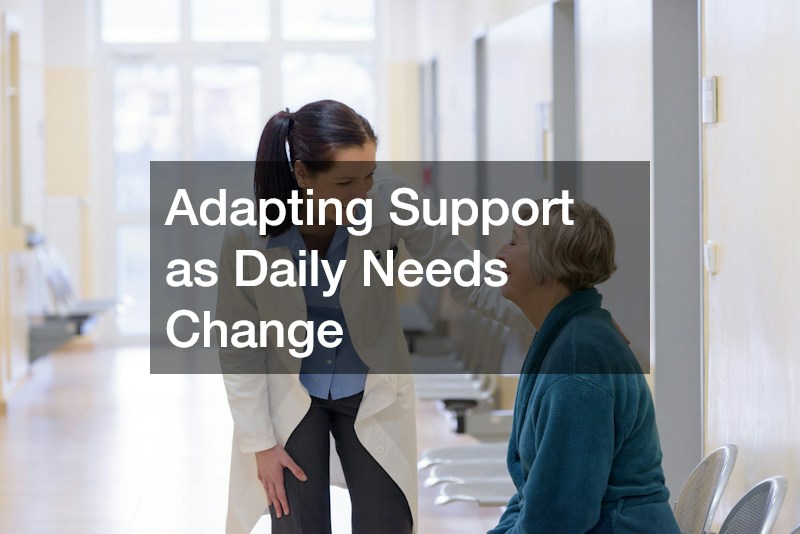
Independence doesn’t have to mean doing everything without assistance. After surgery, during an illness, or with age-related changes, tasks that once seemed effortless may require more time and energy. Accepting practical support can help you conserve attention for relationships, activities, and decisions that matter to you. A temporary arrangement can provide breathing room while you explore longer-term options.
An in home care service may provide help with personal care, meal preparation, household tasks, companionship, or other needs, depending on the provider and the care arrangement. Skilled medical services, such as nursing or physical therapy, are different from nonmedical assistance and may involve separate qualifications or eligibility requirements. Clarify exactly what a provider offers rather than assuming every agency delivers the same type of care.
Before choosing a service, identify which tasks need attention, how frequently help is required, and what the person receiving care prefers. Ask about staff screening, training, supervision, scheduling, backup coverage, and costs. If insurance or a public program may contribute to payment, confirm the specific eligibility rules and coverage rather than relying on general descriptions.
The National Institute on Aging describes home-based support as including personal care, meals, transportation, and healthcare, among other possibilities. Families may also combine paid assistance with help from relatives, neighbors, or community programs.
Support works better when it respects comfort, privacy, and individual routines instead of treating everyone as though they have identical needs.
Understanding Healthcare Costs and Administrative Details
Even a carefully chosen care plan can become stressful when appointments generate unfamiliar paperwork. Knowing how coverage, claims, and billing work won’t remove every expense, but it can help you spot questions early and make informed decisions about future care.
Medical billing services generally support healthcare practices with tasks such as preparing claims, submitting them to insurers, tracking payments, and following up on denials. Patients may interact with a practice’s billing team when checking charges or resolving account questions. These services don’t determine whether a treatment is medically appropriate, and a processed claim doesn’t necessarily mean an insurer will pay every charge.
Before an appointment, confirm whether a provider participates in your insurance network and ask about expected charges when possible. Afterward, compare the provider’s bill with your insurer’s explanation of benefits. That document describes how a claim was processed; it isn’t itself a bill.
Check dates, listed services, payments, and the amount identified as your responsibility. Contact the provider or insurer if something doesn’t match your records.
Keep a folder for estimates, bills, insurance notices, and notes from phone conversations. Record whom you spoke with and next steps. If a charge is confusing, request an itemized statement and ask for an explanation before assuming it is correct.
When you treat preventive care, emotional support, home needs, financial decisions, and administrative tasks as connected parts of life, a balanced approach becomes more practical, adaptable, and genuinely your own.