
Family well-being involves more than scheduling annual checkups or encouraging everyone to eat vegetables. Physical comfort, emotional health, household routines, and access to appropriate care all shape how people feel from day to day. Because family members have different needs, meaningful improvements rarely come from a single purchase or appointment. They come from identifying practical changes that make everyday life safer, easier, and more fulfilling. Even modest improvements can benefit the entire household.
A parent managing a demanding schedule may need a different kind of support than a child developing healthy habits or an older relative adjusting to limited mobility. Still, these priorities connect. A comfortable home can reduce daily frustration, preventive appointments can uncover developing concerns, and open conversations can make it easier to ask for help. Considering the following areas together can help families create realistic plans that respect individual preferences, budgets, and long-term goals.
Make Preventive Health Care a Family Priority
Regular health appointments provide opportunities to discuss concerns before they interfere with work, school, or recreation. Primary care providers can review medical histories, recommend age-appropriate screenings, and help families understand which symptoms deserve further attention. Keeping a shared calendar for appointments, vaccinations, and prescription refills can prevent important tasks from getting lost in the rush of everyday responsibilities.
Prevention also depends on what happens between visits. Consistent sleep schedules, nutritious meals, movement, and adequate hydration create a foundation for health at different ages. Children benefit from seeing adults practice these habits rather than simply hearing reminders about them. Families might prepare meals together, take evening walks, or establish screen-free time before bed to make healthier routines feel manageable. Involving children in planning can increase cooperation and encourage lifelong skills.
It helps to recognize that everyone’s needs can change. A teenager beginning a demanding sport may require guidance about training and recovery, while an older adult may need a medication review or fall-risk assessment. Rather than assuming the same routine works indefinitely, revisit family priorities every few months. Ask what feels difficult, which activities bring energy, and where additional professional guidance could make a difference. Small adjustments made consistently often fit family life better than sweeping changes that nobody can maintain.

Address Back Pain and Everyday Physical Comfort
Pain can affect concentration, sleep, exercise, and even a person’s willingness to participate in family activities. Long hours at a desk, repetitive movements, physical work, and poorly arranged workstations may all contribute to discomfort. Start by reviewing everyday habits, including chair support, screen height, lifting technique, and opportunities to change positions throughout the day. Pay attention to activities that consistently trigger symptoms or fatigue.
People experiencing persistent discomfort may consider speaking with a medical professional about appropriate evaluation and treatment. Some families research back pain chiropractors when exploring options for musculoskeletal care. A chiropractor may assess movement, discuss posture, and recommend an approach based on the person’s history and symptoms. Treatment choices should reflect individual circumstances, especially when pain follows an injury or occurs alongside other health concerns.
Home adjustments can complement professional advice. Supportive seating, appropriately positioned computer monitors, and clear pathways for movement may reduce unnecessary strain. Encourage breaks during prolonged sitting and choose activities that accommodate each person’s current abilities. Gentle movement can be useful for many people, but worsening pain, numbness, weakness, or other concerning symptoms warrant prompt medical attention.
Comfort should be treated as an ongoing priority rather than a problem to consider only when discomfort becomes disruptive. Discuss how family members feel after work, school, or exercise, and adjust routines before minor obstacles become persistent frustrations. The goal is to help everyone participate in daily life as comfortably as possible.
Support Oral Health at Every Age
Oral health affects eating, speaking, comfort, and confidence, making dental care an important part of family wellness. Brushing with fluoride toothpaste, cleaning between teeth, and keeping regular dental appointments can support healthier habits over time. Families can make these routines easier by keeping supplies accessible and helping younger children practice proper techniques. Replacing worn toothbrushes and limiting frequent sugary snacks can also help.
A pediatric dentist focuses on children’s oral health needs and can guide parents through issues such as developing teeth, cavity prevention, and age-appropriate dental habits. Starting positive dental experiences early may also make future appointments less intimidating. Adults, meanwhile, may have concerns related to worn teeth, discoloration, missing teeth, or older dental work that needs attention.
For someone interested in changes to their smile, a cosmetic dentist can explain potential options and their limitations. Some people ask about whitening or restorations, while others need to address functional concerns first. When a tooth is missing, a dental implant may be one treatment worth discussing, depending on oral health, bone condition, and other clinical factors. A qualified dental professional can explain alternatives, associated costs, and what treatment involves.
Families should avoid assuming every person needs the same dental services. Children, adults, and older relatives may require different appointment schedules and preventive strategies. Encouraging questions, comparing appropriate treatment options, and maintaining consistent daily care can make oral health feel like a manageable responsibility rather than an occasional emergency.
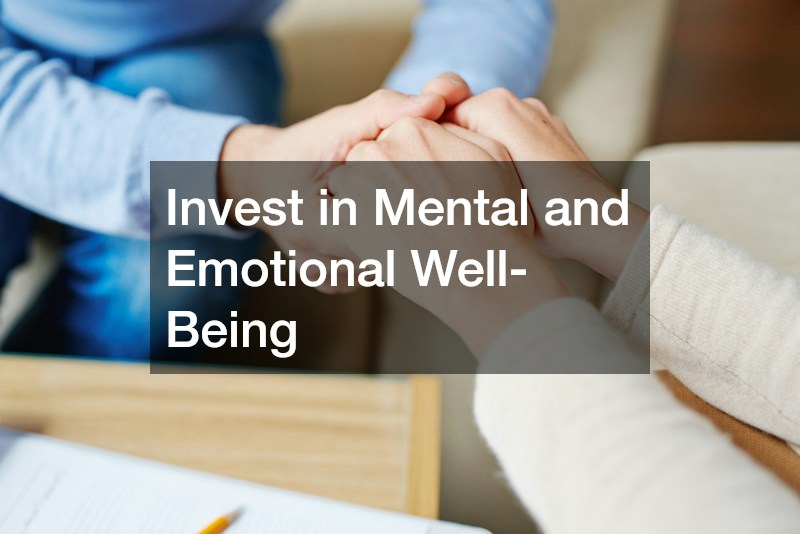
Invest in Mental and Emotional Well-Being
Busy households can overlook emotional strain when everyone’s attention is focused on schedules and responsibilities. Yet stress can influence sleep, relationships, physical comfort, and decision-making. Setting aside time for honest conversations gives family members opportunities to describe what they are experiencing without feeling pressured to solve everything immediately.
Emotional support may look different from one person to another. Some family members benefit from journaling, exercise, creative activities, or quiet time, while others need structured conversations with a mental health professional. Individuals dealing with distressing experiences might explore support from trauma counselors who have training in trauma-informed care. The right professional approach depends on personal needs, preferences, and the nature of the concerns involved.
Parents and caregivers can help by listening without dismissing feelings or comparing one person’s struggles with another’s. Children may express stress through changes in behavior instead of direct explanations, while adults may withdraw or become irritable when overwhelmed. Notice these changes with curiosity and compassion rather than immediate judgment. Privacy and patience can be particularly important when someone hesitates to share.
Building emotional resilience does not mean avoiding difficult feelings. It means developing ways to communicate, set boundaries, seek support, and recover from challenging periods. Consider creating predictable opportunities to connect, such as weekly family meals or brief individual check-ins. If symptoms persist, intensify, or interfere with daily functioning, professional assessment can offer direction and support.
Explore Personal Care and Confidence-Building Options
Looking after appearance and personal comfort can be one part of a balanced lifestyle, especially when self-care helps people feel refreshed or more comfortable in their skin. For some, this means protecting time for a haircut, maintaining a simple skin care routine, or enjoying a relaxing activity after a demanding week. Others may be curious about professional aesthetic treatments.
Medical spa services can include a range of procedures and skin-focused treatments, but offerings, practitioner qualifications, and medical oversight vary. Before scheduling anything, ask what the procedure is intended to address, who will perform it, what risks are involved, and whether recovery time is necessary. A consultation should provide space for questions without pressure to make a decision. Consider asking about ongoing costs and expected maintenance before committing.
Not every concern requires a professional service. Sun protection, gentle cleansing, adequate rest, and realistic expectations can be valuable parts of caring for the skin. Families can also encourage healthy attitudes toward appearance by avoiding comparisons and emphasizing comfort, confidence, and personal choice instead of unrealistic standards.
Self-care works best when it fits comfortably into a household’s priorities and budget. One family member may value an occasional appointment, while another prefers a quiet morning, an outdoor activity, or uninterrupted time to read. Respecting those differences helps personal care remain supportive rather than becoming another obligation on an already crowded schedule.

Improve Accessibility and Independence at Home
A home that works well for young children may need adjustments as relatives age or recover from illness. Stairs, narrow walkways, slippery floors, and difficult-to-reach storage can create barriers to everyday activities. Walking through the home with accessibility in mind can reveal simple changes, such as improving lighting, securing loose rugs, and moving frequently used items within easy reach.
Some families explore home care services when a relative needs assistance with daily routines or companionship. Depending on the provider and care plan, support may include help with meals, bathing, dressing, or household tasks. Clarify which services are available, what training caregivers receive, and how schedules can adapt if needs change. Medical services and nonmedical personal care are not interchangeable, so confirming the scope of support matters.
Mobility scooters may help certain individuals travel longer distances more comfortably, but choosing one involves more than selecting a preferred model. Consider the person’s ability to operate it safely, storage space, transportation requirements, and the environments where it would be used. A health professional or mobility specialist can help assess suitability and discuss other mobility aids when appropriate.
Accessibility is also about maintaining dignity and choice. Include the person affected in decisions whenever possible, and ask which changes would genuinely improve daily life. Thoughtful adjustments can support greater participation in family routines while allowing everyone to retain a sense of independence. Reassess the space periodically as abilities and living arrangements evolve.
Organize Living Spaces for Daily Efficiency
An organized home can make healthy routines easier to maintain. When belongings have logical places, family members spend less time searching for supplies and more time on activities that matter to them. Organization can also reduce clutter in walkways, improve access to everyday items, and simplify tasks for people with limited energy or mobility.
Start with the rooms that create the most frustration. A crowded kitchen may make meal preparation difficult, while an overfilled entryway can turn departures into stressful searches for shoes, bags, and keys. Choose one manageable area at a time, remove items that are no longer useful, and establish storage systems that match how the household actually functions.
Closet organization is especially helpful when multiple people share limited space or when seasonal clothing and equipment accumulate. Group similar items, place frequently worn clothing at a comfortable height, and use clear labels where they improve accessibility. Children can participate by keeping designated spaces for school supplies, sports gear, and personal belongings.
Avoid creating systems that require constant maintenance or expensive products. Simple baskets, sturdy shelves, and clearly defined storage areas may work better than complicated arrangements. Review organizational needs as children grow, schedules shift, or mobility changes. The most effective home setup is one that people can use independently and maintain without unnecessary effort.

Build Habits That Support Long-Term Wellness
Families often begin improving their routines with enthusiasm, only to discover that busy schedules make ambitious plans difficult to sustain. Long-term progress is more likely when changes are specific, affordable, and flexible. Instead of changing every habit at once, choose a few priorities that address current concerns and agree on realistic ways to measure progress.
For example, a household might start by protecting regular sleep schedules, planning several balanced dinners each week, or making room for gentle physical activity. Another family might focus on appointment coordination, a safer bathroom setup, or more consistent opportunities for conversation. These goals are different, but each removes a practical obstacle to well-being.
A short monthly check-in can help everyone reflect on what is working. Invite family members to share one improvement they appreciate and one challenge they would like to address. When a routine becomes difficult, adjust it instead of treating the setback as a failure. Children can learn problem-solving skills through this process, while adults gain opportunities to share responsibility more fairly.
Remember that meaningful well-being includes professional care, supportive relationships, functional living spaces, and time for enjoyment. Families do not need perfect routines or every available service to make progress. By responding to changing needs and choosing improvements that fit real life, they can create a healthier, more comfortable environment where each person has room to thrive.